In contemporary residential architecture, glass is no longer a passive filler between structural elements. It has become a core design tool that shapes aesthetics, energy performance, and even how people move, work, and rest at home. Large glazed surfaces, slim frames, and high-performance coatings are changing both the look and the behaviour of modern houses.
Homeowners and designers are increasingly looking for ways to bring in more natural light, improve insulation, and create seamless transitions between indoor and outdoor spaces. This is especially true in demanding climates such as coastal British Columbia, where homes in cities like Vancouver must cope with moisture, wind, and temperature swings while still feeling bright and open.
At the centre of this evolution is the rapid growth of high-performance glazing solutions. Energy-efficient windows, advanced coatings, and smart glass technologies now allow architects to design homes with generous glass areas without sacrificing comfort or sustainability. Residential window replacement has become a strategic upgrade rather than a simple repair, particularly when working with specialized providers such as Ecoline Windows, who focus on high-performance, energy-efficient units tailored to Canadian conditions.
Why Modern Architectural Glass Matters in Residential Design
Modern glass systems influence far more than curb appeal. They determine how much daylight reaches key living areas, how efficiently a home retains heat in winter and rejects it in summer, and how strongly occupants feel connected to their surroundings. Well-chosen glazing can reduce energy bills, support healthier sleep patterns through better daylight access, and make even compact homes feel spacious and calm.
At the same time, regulations and rating systems such as ENERGY STAR® and national energy codes are pushing manufacturers to develop windows with improved U-factors, higher energy ratings, and more reliable air-tightness. In markets like Canada, ENERGY STAR–certified windows are typically more efficient than conventional models, and top-tier “most efficient” products go even further in reducing heat loss and drafts. For many homeowners, upgrading windows is one of the most effective ways to improve overall building performance.
Light as a Structural Element
Daylight, Wellbeing, and Circadian Health
Modern architecture treats daylight as a structural element rather than a leftover of window placement. Exposure to natural light is closely linked to circadian alignment, sleep quality, and mental wellbeing. Research on daylight and mental health shows that better access to natural light at home can improve sleep timing, mood, and daytime alertness, especially when morning light is available in bedrooms and key living spaces.
For homeowners, this means that window design is not only about views. Bedrooms that receive morning light, home offices with controlled but abundant daylight, and living rooms that avoid harsh glare all contribute to a healthier daily rhythm. Instead of relying solely on artificial lighting to “fix” dark spaces, architects now plan façades, window orientations, and glazing configurations around the path of the sun.
Design Strategies for Maximizing Natural Light
Several architectural strategies have emerged to treat light as a primary design driver:
- Floor-to-ceiling glazing in living and dining areas to create a sense of openness and visual continuity with the outdoors.
- Clerestory and strip windows that pull light deeper into the plan without sacrificing privacy.
- Corner windows and minimal-frame systems that dissolve visual barriers and open up panoramic views.
- Skylights and roof windows that deliver top-down daylight into corridors, stairwells, and bathrooms.
When combined with appropriate shading and glass specifications, these elements can significantly reduce reliance on artificial lighting and support long-term wellbeing while still protecting interiors from overheating and glare.
Energy Efficiency and High-Performance Glazing
From Weak Point to Energy Asset
Historically, glass was the weakest point in a building’s thermal envelope. Single-pane windows and basic aluminum frames allowed heat to escape in winter and flood in during summer. Today, advances in window engineering mean that glazed areas can actively support energy efficiency rather than undermine it.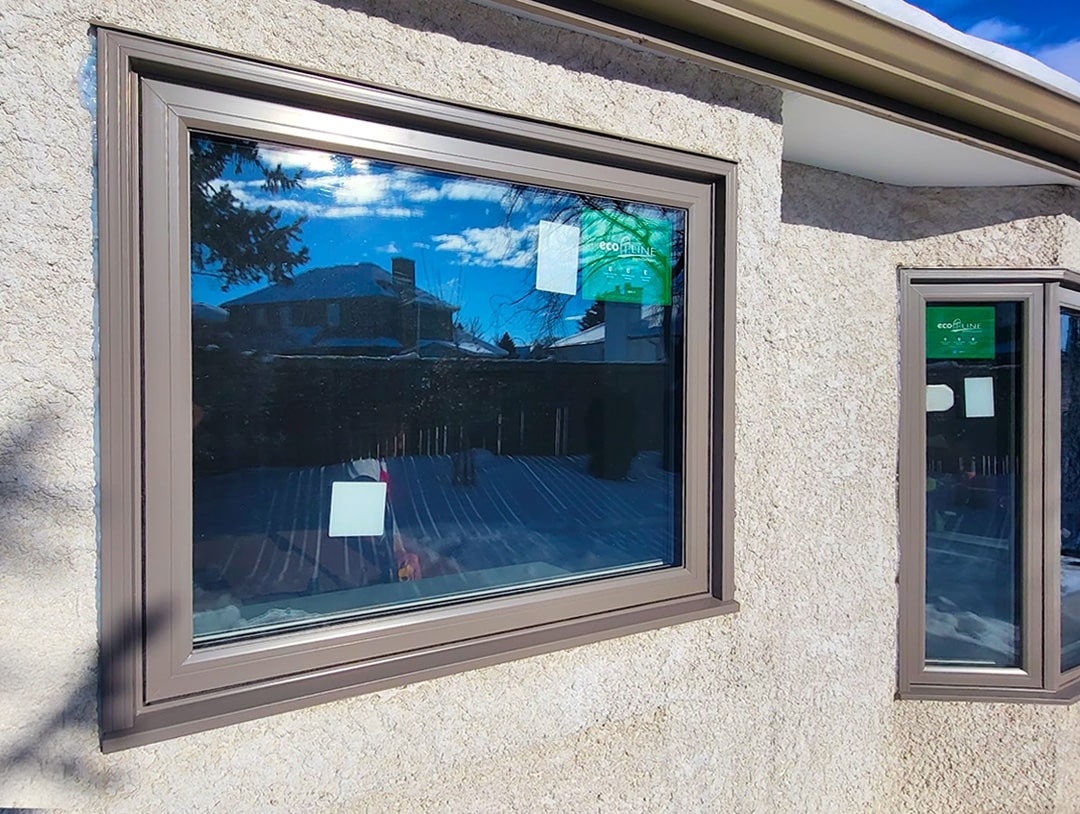
Key technologies include:
- Double- and triple-pane insulated glazing units (IGUs) that trap air or gas between panes to slow heat transfer.
- Low-emissivity (low-E) coatings that reflect infrared heat while allowing visible light to pass, reducing heat loss compared to uncoated glass.
- Gas fills such as argon or krypton, which provide better insulation than air and help achieve lower U-factors.
- Warm-edge spacers that reduce thermal bridging at the perimeter of the glazing unit and help control condensation.
Guidance from the U.S. Department of Energy recommends selecting windows with appropriate low-E coatings and gas fills based on climate, as well as prioritizing low U-factors and verified performance labels. This is especially important in colder regions, where poorly performing windows can account for a significant share of heating losses.
Frame Materials that Support Performance
Glass is only part of the equation. Frame material strongly influences the overall performance and durability of a window system. Common options include:
- Vinyl (uPVC): Excellent thermal performance, low maintenance, and strong resistance to moisture. Modern multi-chamber vinyl frames help reduce heat loss and are widely used in Canadian residential projects.
- Fiberglass: Dimensionally stable, strong, and resistant to temperature-related movement, making it suitable for large openings and challenging climates.
- Aluminum with thermal breaks: Slim sightlines and high strength, but requires insulated thermal breaks to meet modern efficiency standards.
- Wood or wood-clad: Warm, natural appearance with good insulation, typically protected with exterior cladding for durability.
When properly specified, high-performance windows with optimized glazing and frames can dramatically reduce heat loss, minimize drafts, and maintain comfortable indoor temperatures year-round. Government and energy-efficiency agencies highlight window replacement as one of the most impactful upgrades for energy savings and improved comfort.
Comparison of Common Residential Glazing Options
Below is a simple comparison of typical residential glazing options:
| Option | Configuration | Benefits | Best for |
|---|---|---|---|
| Standard double-pane | Two panes, air-filled, clear glass | Lower cost, basic comfort improvement over single-pane | Mild climates, budget-conscious upgrades |
| Low-E double-pane with argon | Two panes, argon fill, low-E coating | Better insulation, reduced heat loss and heat gain, UV protection | Most modern retrofits in temperate and cold climates |
| Triple-pane with low-E and gas fill | Three panes, argon or krypton fill, multiple low-E coatings | Top-tier thermal performance, lower U-factor, improved sound insulation | Very cold climates, north-facing façades, high-performance homes |
| Smart or electrochromic glass | Glazing that changes tint based on electrical input or conditions | Dynamic solar control, glare reduction, privacy on demand | Highly exposed façades, premium projects, smart homes |
Blurring the Line Between Indoors and Outdoors
Large Openings and Minimal Frames
One of the most visible trends in residential design is the blurring of boundaries between interior and exterior spaces. Homeowners want open-plan living areas that connect directly to patios, balconies, and gardens. Large sliding or folding glass walls, corner windows, and minimal-frame systems are now common features in new builds and major renovations.
These solutions deliver several advantages:
- Visual expansion: Continuous glazing makes rooms feel larger and less confined.
- Better airflow: Wide openings can be created to promote cross-ventilation and passive cooling.
- Year-round views: Even in colder seasons, residents can enjoy visual access to nature and changing weather.
In climates with significant rainfall or wind exposure, such as coastal cities, high-quality hardware, precision installation, and robust sealing systems are critical to ensure that these openings remain weathertight without compromising ease of operation.
Personalized and Adaptive Glass Design
Custom Textures, Colours, and Patterns
As digital modelling and advanced manufacturing become more accessible, homeowners expect glass features to match their personal aesthetic preferences. This has led to broader use of:
- Frosted and satin-etched glass for bathrooms, entryways, and stairwells where privacy is important.
- Tinted glass to control glare and solar gain while creating a distinctive façade appearance.
- Laminated glass with patterns or coloured interlayers that provide both safety and decorative effects.
- Custom shapes such as arches, triangles, and irregular polygons to highlight architectural features.
These options allow designers to balance privacy, style, and performance without compromising on energy efficiency or safety.
Adaptive Architecture and Flexible Use of Space
Modern homes increasingly need to serve multiple functions: office, classroom, gym, and sanctuary. Architectural glass supports this flexibility by allowing spaces to be visually connected or separated as needed. Sliding glass partitions, internal windows, and switchable privacy glass can transform open-plan areas into quiet zones without permanently dividing the layout.
For example, a glass partition can allow a home office to borrow light from an adjacent living room while still providing acoustic separation for focused work. In the evening, the same partition can be opened to restore an open-plan configuration for social use.
Sustainability Is Now the Baseline
Sustainability has shifted from a design “bonus” to a baseline expectation. Energy-efficient glazing directly reduces heating and cooling loads, helping to lower both utility costs and carbon emissions over the lifetime of a building. Certified high-performance windows with low U-factors and optimized solar heat gain provide measurable reductions in energy use compared to conventional products.
Durable frame materials such as vinyl and fiberglass further support sustainability by offering long service life with minimal maintenance. When combined with double- or triple-pane glass, these systems outperform traditional single-pane or poorly insulated windows and can contribute to green building certifications and eligibility for local rebate programs. Resources from Natural Resources Canada and similar agencies emphasise the role of high-performance windows in meeting national energy-efficiency targets.
In addition, manufacturing practices are evolving. More manufacturers are focusing on recyclable materials, responsible sourcing, and cleaner production methods. For eco-conscious homeowners, choosing windows with verified performance ratings and clear documentation has become part of a broader commitment to sustainable living.
Smart Technology Integration
From Static Glass to Responsive Envelopes
Smart-home technology has reached the window and glass industry in several forms:
- Electrochromic and thermochromic glazing that automatically adjusts tint in response to electrical input, sunlight, or temperature.
- Automated shading systems integrated with weather sensors and smart-home platforms to optimize comfort and energy use.
- Embedded sensors that monitor temperature, humidity, and occupancy to inform HVAC control strategies.
Smart glass technologies are particularly valuable in south- and west-facing façades, where solar gain can be severe. By dynamically modulating transparency, these systems help resolve the conflict between wanting expansive views and needing to manage heat and privacy.
Manufacturers and specialist companies dedicated to smart glass, for example Gauzy, illustrate how fast this segment is evolving. For homeowners, the appeal lies in both function and feel: a façade that automatically adapts to the time of day or the season adds a sense of quiet luxury and control while also improving energy performance.
How to Choose the Right Architectural Glass Package for Your Home
For homeowners considering a renovation or new build, selecting the right glass and window configuration can feel complex. A practical decision path can simplify the process:
- Clarify your goals.
Decide what matters most: more daylight, lower energy bills, better comfort, improved aesthetics, noise reduction, or a combination of these factors. - Analyze climate and orientation.
Consider your local climate, exposure to wind and rain, and how each façade is oriented. South- and west-facing façades may require different glass specifications than north-facing or shaded elevations. - Check performance labels.
Look for trustworthy rating systems such as ENERGY STAR® and national window energy ratings. Pay attention to U-factor (insulation), solar heat gain coefficient (SHGC), visible transmittance, and air-leakage values. Public resources from the U.S. Department of Energy and national energy agencies explain how to read these labels and choose suitable performance levels for each climate zone. - Choose suitable frame materials.
Balance maintenance expectations, design style, and budget. For example, vinyl and fiberglass frames are popular in harsh climates for their low maintenance and strong thermal performance, while wood or wood-clad frames may be preferred in traditional or high-end designs. - Work with a specialist.
Experienced window replacement companies that understand local codes, rebate programs, and installation best practices can help match products to your specific home and lifestyle. For many homeowners, partnering with a specialist simplifies technical choices and ensures that performance on paper translates into real-world comfort.
People Also Ask About Modern Architectural Glass
What is modern architectural glass?
Modern architectural glass refers to high-performance glazing systems used as a core design element in buildings. In residential projects, this typically means multi-pane insulated units with low-E coatings, gas fills, and advanced frames that provide energy efficiency, acoustic comfort, safety, and visual transparency in a single package.
Is architectural glass energy efficient in cold climates?
Yes, when specified correctly. In cold climates, double- or triple-pane windows with low-E coatings, gas fills, and well-insulated frames can significantly reduce heat loss and drafts. Energy-efficient models certified by programs such as ENERGY STAR® or national rating bodies are designed to perform well even in harsh winter conditions.
Does adding more glass always increase energy bills?
Not necessarily. Poor-quality single-pane or uncoated glass can increase heating and cooling demand, but modern high-performance glazing can offset this by improving insulation and controlling solar gain. When combined with strategic orientation, shading, and airtight installation, larger glazed areas can coexist with, and sometimes even support, lower energy consumption.
How much do energy-efficient residential windows cost?
Costs vary based on frame material, glazing type, size, and installation complexity. Triple-pane, smart, or custom-shaped units cost more than standard double-pane windows, but they may qualify for rebates or deliver long-term savings through reduced energy bills. Many homeowners approach window replacement as a long-term investment in comfort, efficiency, and property value rather than a short-term expense.
The Future Direction of Residential Glass Design
Looking ahead, innovation in residential glass design is likely to focus on even thinner frames, larger uninterrupted panes, improved insulation, and expanded smart features. As research into daylight, circadian health, and thermal comfort progresses, we can expect more façades that respond intelligently to weather and occupant behaviour.
Glass has become a transformative element in residential design. By combining transparency, durability, and high performance, today’s window solutions empower homeowners to create living spaces that feel brighter, more open, and more deeply connected to the world outside. As technology continues to advance, modern architectural glass will remain at the centre of residential design trends, shaping how homes look, feel, and function for decades to come.